A Professional's Take on the New Vaporfly 3
Introduction
The Vaporfly line has occupied a singular place in road running for the better part of a decade, influencing elite championships and everyday training plans alike. The new Vaporfly 3 continues that lineage with iterative engineering aimed at improving efficiency, comfort, and race-day performance. This article takes a professional, analytical look at the Vaporfly 3: its construction, real-world performance, the runners who stand to benefit most, and practical buying guidance for people deciding whether this shoe belongs in their rotation.
Design and Materials
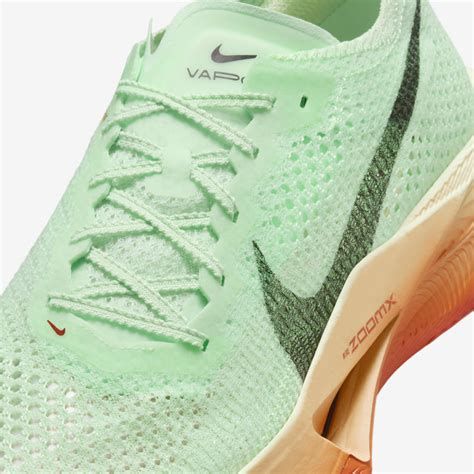
The Vaporfly 3 focuses on a few core elements that define its character: an advanced midsole foam, a full-length stiff plate, a refined upper, and a road-focused outsole. The midsole employs a highly responsive, lightweight foam engineered to maximize energy return without excessive bulk. The full-length plate remains a defining feature—engineered to store and return energy and to create a pronounced rocker geometry for forward propulsion.
The upper for this generation is thinner and more adaptive than some earlier iterations. Engineered mesh and targeted overlays aim to balance lockdown with breathability. Attention to seams and pressure points is evident, with reinforcements placed where the foot needs them and relief where prolonged pounding could cause irritation.
Outsole rubber is concentrated in high-wear zones to protect the foam while keeping mass to a minimum. Tread is optimized for paved surfaces and typical race-day conditions rather than trail grip or heavy all-weather traction.
Midsole and Plate: How the Technology Translates to Feel
The interaction between the foam and the plate is the most consequential engineering aspect of the Vaporfly 3. The foam is soft enough to compress and recover quickly, while the plate introduces a springlike stiffness and a consistent lever to the toe-off. For many, this combination reduces perceived exertion at target race paces and aids turnover.
On accelerations and sustained tempo efforts, the plate helps maintain a stable platform underfoot so that the energy delivered by the foam feels directed rather than dissipated. The rocker profile guides the foot through a smooth gait cycle, encouraging a midfoot-to-forefoot transition that can favor runners who naturally land in that area or who are willing to adapt their mechanics for improved efficiency.
Fit, Sizing, and Comfort
Fit has been refined to reduce slippage and hot spots. The toe box retains a shape that balances forefoot space with a secure midfoot hold. Many testers appreciate that the upper provides enough room for toe splay on long efforts while still securing the heel during faster segments. Sizing tends to align with prior Vaporfly releases for those familiar with the line, but first-time buyers should consult manufacturer sizing guidance and consider trying a half-size up if between sizes or if the runner prefers thicker socks.
Comfort during long runs is supported by the foam's cushioning characteristics. On marathon-distance simulations, the Vaporfly 3 can feel springy without the soreness sometimes associated with firmer racing flats. However, runners who require substantial medial support or motion control may find the platform less suited to their biomechanics without orthotic inserts or rotation through more supportive trainers.
Looking for the best Electronics deals on Amazon?
View Offers →Ride and On-Road Performance
In road conditions typical for training and racing—smooth asphalt, closed-course circuits, and city streets—the Vaporfly 3 excels in delivering a deceptively effortless forward motion. At threshold and race paces, the shoe encourages cadence and helps maintain form over fatigue. During interval sessions, it allows sharp, repeatable efforts with less perceived impact on the legs.
On rougher urban surfaces—cobblestones, patched tarmac, or wet roads—the shoe remains competent but not exceptional. The focus remains on speed and efficiency, not grip under adverse conditions. Runners who frequently encounter uneven surfaces should consider a more robust outsole or alternate footwear for those sessions.
Durability and Maintenance
High-performance foams often trade some longevity for weight and responsiveness. The Vaporfly 3 follows this pattern: its midsole delivers excellent short-to-medium-term performance but will show wear faster than heavier, training-specific shoes. Strategic use—reserving the Vaporfly 3 for race prep, key workouts, and races while rotating in more durable trainers for base miles—extends the effective service life of the shoe.
Care is standard: avoid machine washing, dry at room temperature, and clean off grit promptly to slow outsole wear. For runners who accumulate high weekly mileage, plan on replacing the shoe sooner than standard training models if preserved race-day performance is a priority.
Real-World Use Cases
The Vaporfly 3 is purpose-built for specific profiles and scenarios:
- Marathon and half-marathon racing: Runners targeting personal records benefit from the shoe's energy return and efficient ride, particularly on courses favoring sustained pace.
- Key workouts: Long tempo runs, goal-pace segments, and select interval sessions translate well to this shoe, allowing athletes to practice race mechanics and pacing with a race-like feel.
- Elite and sub-elite athletes: Those whose strategy centers on marginal gains at speed will find the Vaporfly 3 an asset, especially when paired with careful race-day preparation.
- Everyday recreational racers: Recreational runners seeking a performance shoe for important races or shorter goal events can gain measurable benefits, provided they maintain a rotation to manage durability and adaptation.
Conversely, the Vaporfly 3 is less well suited for trail running, heavy distance accumulation without alternates, or runners who require significant motion-control features. As with any high-performance shoe, integrating it into a broader footwear strategy is critical to avoid overuse and to preserve the shoe's key characteristics for the moments that matter.
Pros & Cons
- Pros:
- Exceptional energy return and forward propulsion for race paces.
- Refined upper that balances lockdown with breathability.
- Rockered chassis and plate combination smooths gait and encourages cadence.
- Lightweight construction relative to cushioning delivered.
- Designed for reproducible fast efforts—race and workout friendly.
- Cons:
- Midsole foam may show wear sooner than heavier training shoes.
- Less suitable for uneven terrain or wet, technical conditions.
- Not ideal as a daily trainer for high-mileage runners without a defined rotation.
- Runners needing strong medial support may require inserts to achieve comfort.
- Price and specificity may deter runners seeking a single-shoe solution.
Comparison Table: Vaporfly 3 vs. Previous High-Performance Options
| Model | Intended Use | Cushioning & Energy Return | Durability (Relative) | Fit/Sizing Notes | Best For |
|---|---|---|---|---|---|
| Vaporfly 3 | Race-day and key speed workouts | Very high—responsive foam + full-length plate | Moderate—performant but wears faster under heavy mileage | Refined, secure midfoot; toe box allows splay; follow typical Vaporfly sizing | Marathoners, tempo runners, racers seeking efficiency |
| Vaporfly Next% 2 | Race-focused with slightly earlier generation tech | High—similar foam/plate interaction, slightly different tuning | Moderate | Generally consistent with Vaporfly family sizing | Competitive racers familiar with the Vaporfly ride |
| Alphafly Next% | Race-day, especially for runners seeking maximal cushioning | Very high—more stack height and additional forefoot pods for propulsion | Moderate to low depending on usage | Roomier forefoot for some; higher stack requires adaptation | Runners wanting maximal cushioning and unique energy return dynamics |
Buying Guide: How to Decide if the Vaporfly 3 Is Right
1. Define intended use
Buyers should start by clarifying whether the shoe will be a primary trainer, a race-only shoe, or a hybrid. The Vaporfly 3 is optimized for race-day performance and targeted workouts. For runners who want a single shoe to do everything—slow long runs, tempo efforts, and daily jogging—alternatives with greater durability and support may be a better long-term investment.
2. Consider running volume and rotation
High-mileage athletes benefit from rotating shoes. A practical approach is to use the Vaporfly 3 for races and key sessions while keeping a durable training shoe for base miles. This strategy preserves the Vaporfly’s cushioning and responsiveness for the most important outings.
Find top-rated Electronics products at great prices.
See Deals →3. Evaluate gait and biomechanics
Runners with a neutral to slightly forefoot-biased strike will experience the intended benefits of the plate and rocker. Those with heavy overpronation or a pronounced heel-strike should evaluate how the shoe interacts with their mechanics—consulting with a coach or a gait-analysis specialist can help determine if supportive inserts or alternative models are necessary.
4. Sizing and fit
Adherence to brand sizing is generally safe for returning customers. New buyers should try the shoe with their typical racing socks and simulate race conditions (fast intervals, long tempo segments) when possible. A half-size up may be sensible for those who prefer more toe room or anticipate swelling during long efforts.
5. Test before committing to race day
Break in the Vaporfly 3 across a variety of paces and distances prior to target events. Short, fast sessions and a few longer runs at reduced intensity let the runner acclimate to the plate and the rocker geometry. Many performance benefits are felt only when the runner adapts their cadence and mechanics to the shoe’s characteristics, so practice is integral.
6. Budget and lifecycle planning
High-performance racing shoes represent an investment. Buyers should budget not only for the initial purchase but for a replacement schedule aligned to use. If the Vaporfly 3 is in frequent rotation for marathon training, plan for replacement sooner than trainers in daily rotation. Preserve peak performance by limiting abrasive mileage in the shoe.
7. Practical maintenance tips
- Clean off grit and salt after road runs to slow outsole degradation.
- Allow shoes to air dry at room temperature; avoid heaters and direct sunlight.
- Store shoes in a cool, dry location and rotate them so foam has time to recover between high-stress sessions.
Final Assessment and Conclusion
The Vaporfly 3 is a focused evolution of a performance-driven lineage. It refines the elements that made the Vaporfly series impactful—responsive foam, an effective full-length plate, and a race-biased geometry—while addressing fit and upper refinement. For runners whose goals center on improved race performance, pacing consistency, and measurable gains at threshold and marathon speed, the Vaporfly 3 is a compelling option.
It is not, however, a universal shoe. The performance trade-offs—moderate durability under heavy training loads and reduced versatility on mixed terrain—mean that most runners will use it alongside others in a thoughtful rotation. Buyers who approach the Vaporfly 3 with a clear plan (race-day use, targeted workouts, and a complementary training shoe) will extract the most consistent value from it.
Ultimately, the Vaporfly 3's strengths lie in its ability to amplify what many runners already do well: maintain cadence, preserve form, and convert effort into forward motion with greater economy. For athletes chasing time improvements and willing to manage shoe usage strategically, the Vaporfly 3 remains a high‑performance tool worth serious consideration.