Don't Buy the Gt 2000 13 Running Shoe Until You Read This Full Analysis
Overview: The Gt 2000 13 Running Shoe arrives in a crowded market of daily trainers and stability shoes. Before committing to a pair, this analysis breaks down what the model delivers in real-world conditions, who benefits most, where trade-offs lie, and how it stacks up against common alternatives. The goal is to equip prospective buyers with actionable information so they can decide if the Gt 2000 13 fits their needs rather than relying on brand names or marketing blurbs.
Introduction
The Gt 2000 series has long aimed to bridge cushioning and support: offering protection for higher-mileage days while providing guidance for mild to moderate overpronators. The 13th iteration continues that lineage. For buyers, the essential questions are: is the shoe comfortable from the first run, does it remain supportive and durable across months of training, and does it deliver value compared with similar options at the same price point? This article examines those questions with attention to fit, ride quality, construction, durability, and real-world use cases.
Product Review and In-Depth Analysis
Design intent and target runner
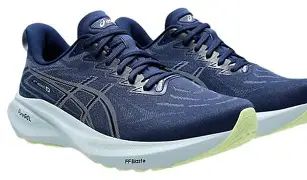
The Gt 2000 13 is positioned as a daily trainer for runners who need some level of stability but still prefer a responsive, cushioned ride. It caters to runners logging regular weekly mileage, recreational athletes, and walkers who want extra support without heavy corrective feel. The design intent emphasizes a neutral appearance with subtle stability cues rather than overt motion-control hardware.
Fit and sizing
Fit is one of the most consequential aspects when evaluating any running shoe. The Gt 2000 13 typically fits true to size for many runners, with a mid-volume last that suits those with medium-width feet. Buyers with narrow feet may find some heel slip on the first few runs, while those with wide forefeet should try on wide-width options where available.
Key takeaways about sizing:
- Try the shoe with the socks you plan to run in and allow around a thumb’s width of space at the toe for longer runs.
- Expect a brief break-in period: the upper is designed to mold, and the midsole compresses slightly after several runs.
Upper construction and breathability
The upper prioritizes a blend of engineered textile and reinforcement overlays to balance breathability and structure. In warm-weather runs, ventilation is adequate for most paces; in cooler conditions, the upper traps enough warmth to keep the foot comfortable without overheating. The tongue and collar offer modest padding, which helps on back-to-back runs or when the shoe is used for walking.
Midsole and ride quality
The midsole aims to combine cushion and stability. The shoe provides a protective platform that absorbs impacts during long, easy runs while maintaining responsiveness for tempo efforts. The transitional feel is neither mushy nor overly firm—middle-of-the-road, which is ideal for runners seeking versatility.
For daily training, the ride is predictable: footstrike feels supported, and the midfoot-to-forefoot transition is smooth. Those who prefer a very soft, cloud-like cushion may find this shoe slightly firmer; conversely, runners wanting a highly structured, corrective ride may find it less intrusive.
Stability and motion guidance
Stability is delivered through a combination of sole geometry and internal shaping rather than heavy medial posts. That means the Gt 2000 13 guides the foot subtly; it reduces inward roll without forcing a mechanical correction. For runners with mild-to-moderate overpronation, this translates to improved efficiency and reduced fatigue on longer runs. Severe pronators who require aggressive correction should evaluate dedicated motion-control shoes instead.
Shop the latest Electronics picks on Amazon.
See Deals →Outsole and durability
The outsole uses durable rubber compounds in high-wear areas and a tread pattern designed for predictable grip on roads and light paths. For pavement-focused runners, the traction and wear resistance are solid; users who frequently run on technical trails should look elsewhere for deeper lugs and trail-specific compounds.
Durability expectations: with regular training (three to five runs per week), the shoe should last in the range expected of quality daily trainers. Signs of midsole compression typically appear after several hundred miles, which is standard for foam-based midsoles.
Real-world performance notes
In tempo runs and steady-state efforts, the Gt 2000 13 remains stable and responsive enough that a runner can push pace without losing confidence in platform support. For recovery and long, slow miles the cushioning reduces impact and keeps legs fresher the next day. In shorter speed sessions, the shoe performs adequately but is not optimized for lightweight racing or workout spikes.
Pros & Cons
- Pros:
- Balanced cushioning that works for a wide range of paces
- Subtle stability that helps mild-to-moderate overpronation without feeling intrusive
- Durable outsole for road running and good day-to-day traction
- Comfortable upper with solid lockdown once broken in
- Versatile — suitable for daily training, long runs, and walking
- Cons:
- Not the lightest shoe in its class — may feel heavy for fast workouts
- Narrower heels can cause initial slip for some runners
- Not optimized for technical trails or significant off-road use
- Cushioning is middle-of-the-road — not ideal for runners seeking extremely soft or extremely firm rides
Comparison Table: How the Gt 2000 13 Stacks Up
| Model | Best for | Stability level | Cushioning feel | Typical runner |
|---|---|---|---|---|
| Gt 2000 13 | Daily trainer, long runs, recovery | Light to moderate | Balanced / responsive | Recreational runners who need mild support |
| Stability-focused competitor | Heavy stability & long-distance comfort | High | Plush / protective | Severe pronators needing strong correction |
| Neutral daily trainer | Versatile road training, faster paces | Neutral | Soft to medium | Neutral runners wanting light weight and cushioning |
| Lightweight racer | Races, interval work | Neutral | Firm / responsive | Competitive runners chasing PRs |
Note: The comparison table uses generic categories for competing shoe types to help buyers see where the Gt 2000 13 fits in the broader landscape. It is not a head-to-head spec list of specific models.
Buying Guide: How to Decide if the Gt 2000 13 Is Right
1. Know your gait and support needs
Buyers should start with a simple gait assessment. If one experiences noticeable inward roll (overpronation) during runs, a mild-to-moderate stability shoe like the Gt 2000 13 can help. Those with neutral gait should compare this model to neutral trainers to decide if the stability features are desired or unnecessary. Retail running stores often offer gait analysis to confirm needs.
2. Consider intended use
Match the shoe to primary activities: For daily mileage and longer endurance runs, the Gt 2000 13 is well suited. For tempo sessions and races, a lighter, faster shoe will be preferable. For trail running, select a model with trail-specific traction and protection.
3. Size and fit checklist
- Try on the shoe in the afternoon when feet are slightly swollen from daily activity.
- Wear the socks you typically run in when trying the shoe.
- Confirm there is space in the toe box (about a thumb’s width) and that the heel locks in place without excessive tightness.
- Walk and jog in-store to evaluate comfort and arch support. A short test run, if available, is ideal.
4. Break-in and first-run tips
The Gt 2000 13 generally requires a short break-in period. Start with an easy run of 20–30 minutes before using the shoe for a long or important workout. Monitor for hotspots or rubbing in the early runs; minor tightness often resolves as the upper molds to the foot.
5. Durability and lifecycle expectations
Expect traction rubber in high-wear areas and midsole foam to compress gradually over time. Runners who rotate shoes and maintain 3–5 runs per week can expect a typical daily trainer lifespan. Replace the shoe when cushioning and responsiveness noticeably decline or when outsole wear patterns change footfall mechanics.
6. When to choose alternatives
Consider other options if:
Find top-rated Electronics products at great prices.
See Deals →- One is a competitive racer seeking a lightweight race day shoe.
- One requires aggressive motion control for severe pronation.
- One runs primarily on aggressive trails.
- One prefers a very plush or maximalist cushion platform.
7. Testing and returns
Given variability in foot shape, buyers who purchase online should verify return policies and test the shoes on a treadmill or short outdoor run inside the return window. Keep original packaging and tags until satisfied.
Real-World Use Cases and Typical Buyer Concerns
Daily training for mixed paces
For runners who mix easy miles with occasional tempo runs, the Gt 2000 13 offers a compromise: enough cushion for recovery days and enough responsiveness for moderate-paced efforts. Its stability cues reduce fatigue on long midweek or weekend runs.
Recovery and injury-prone runners
Those rehabbing minor injuries or working to avoid flare-ups often value predictable support. The shoe’s combination of cushioning and guidance can ease repetitive strain and help distribute impact forces more evenly through the gait cycle.
Walkers and fitness users
Walkers who want a supportive, long-lasting shoe for daily miles and fitness walking will find the Gt 2000 13 comfortable for prolonged standing and walking routines. The supportive midsole and padded upper help minimize foot fatigue over long periods on hard surfaces.
High-mileage weekenders
A runner planning 10–20 mile long runs on pavement will appreciate the shoe’s durability and protective ride. The subtle stability assists fatigue control late in long runs without the heavy feel of traditional motion-control shoes.
Conclusion
The Gt 2000 13 Running Shoe is a thoughtful daily trainer that balances cushion and stability for a wide range of runners. It won’t satisfy those who need aggressive correction or who prioritize extreme lightness for race day, but it performs reliably for everyday training, long runs, and walking. The shoe’s strengths lie in its versatile ride, supportive platform, and durable outsole, while the main trade-offs are weight and a fit that may require trying a couple of sizes or widths for some foot shapes.
Prospective buyers should align their decision with gait needs, intended use, and personal preferences for cushioning. Trying the shoe on and performing a short test run—whether in-store or with a flexible return policy—remains the best way to determine if the Gt 2000 13 is the right companion for a runner’s training plans. With that context, informed shoppers can decide whether this model complements their rotation or whether a different category of shoe better fits their goals.