Iphone Air vs Samsung Galaxy S25 Fe: Which Should You Buy?
Category: Mobile Phones
Introduction — why I tested these two
I've been using both the iPhone Air and the Samsung Galaxy S25 Fe for several months now, switching between them as my daily driver to see how each performs in real life. I bought each one, set them up with my apps, used them for calls, navigation, photography, streaming, and some light mobile gaming, and carried them through my normal routine — commuting, travel, and long days away from chargers. What I found was a mix of strengths and trade-offs that make the decision less about "which is better" and more about "which fits your life."
First impressions and daily feel
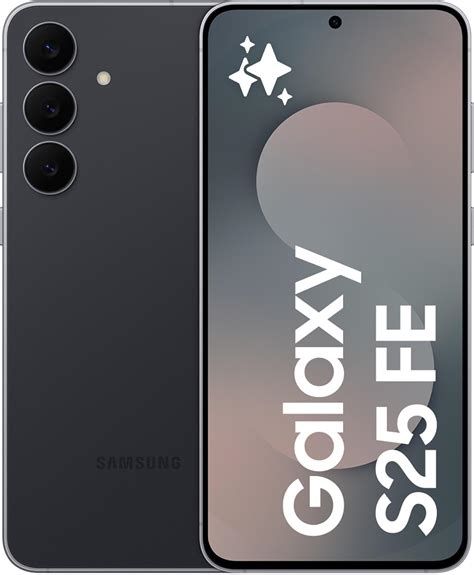
Right out of the box, the iPhone Air felt lighter and more refined in hand than I expected — Apple leaned into a thin, comfortable chassis. The Galaxy S25 Fe felt chunkier but more solid; its grip and flat edge design made it easy to hold during long browsing sessions. I've noticed that after a full day my wrist gets less tired with the iPhone Air, but when I want a more commanding screen for videos, the S25 Fe's slightly larger display draws me in.
Design and build: what I appreciated and what annoyed me
In my experience, the iPhone Air is designed for minimalism. I appreciated the matte back (which resists fingerprints) and the subtle chamfered edges; it looks and feels like a premium device. One thing that bothered me was the camera bump — it's prominent enough that the phone wobbles on a desk unless you use a case. I also missed a dedicated microSD slot, but that’s predictable for Apple devices.
The Galaxy S25 Fe has a more utilitarian feel. I appreciated the textured power button (helps you find it blind) and the small ridge around the camera array that gives it a purposeful look. I was disappointed that the glossy finish showed fingerprints quickly, and while the phone feels robust, its glossy sides made it slightly more slippery in wet conditions.
Display and media
Both phones made me enjoy streaming and reading, but they do it differently. The iPhone Air's display renders colors in a way that makes skin tones and subtle color shifts look very natural — I noticed fewer oversaturated highlights when watching movies. The S25 Fe, on the other hand, delivered punchier colors and higher perceived contrast, which is great for HDR content and social media photos. In bright sunlight, both were readable; I found myself turning up brightness on the S25 Fe more often to keep reflections at bay.
Performance: real-world speed and smoothness
I've used both phones for weeks with the same set of apps. The iPhone Air felt consistently snappier — app launches were almost instantaneous, and heavy tasks like exporting video clips were faster on the iPhone. That said, the S25 Fe handled everyday tasks smoothly and didn't stutter during multitasking. If you're a power user who edits video or runs demanding apps often, the iPhone Air gave me an edge. For everything else — social, email, navigation, photo editing — the S25 Fe kept up comfortably.
Battery life and charging
Battery performance is one area where my expectations matched reality: there are trade-offs depending on how you use the phone. On moderate days (email, a couple of podcasts, messaging, light camera use), both phones easily lasted me through the day. Under heavy use — navigation, camera, gaming — the S25 Fe edged ahead and returned to the charger with slightly more remaining juice.
I was pleasantly surprised by the charging behavior. The S25 Fe charges faster from an 18W+ charger, which is useful when I need a quick top-up before heading out. The iPhone Air charged reliably with MagSafe and USB-C (if you use that cable), but I noticed it prioritized battery longevity and charge curves that slow down as the battery fills — which is great long term but slower if you want a fast boost.
Cameras: how they perform day-to-day
Camera performance is where personal taste plays a big role. For me, the iPhone Air produced images that required less editing: balanced exposure, accurate color rendition, and natural-looking portraits that worked well straight out of the camera. I appreciated the skin tone rendering and the reliable dynamic range in backlit scenes.
Discover deals on Mobile Phones — updated daily.
View Offers →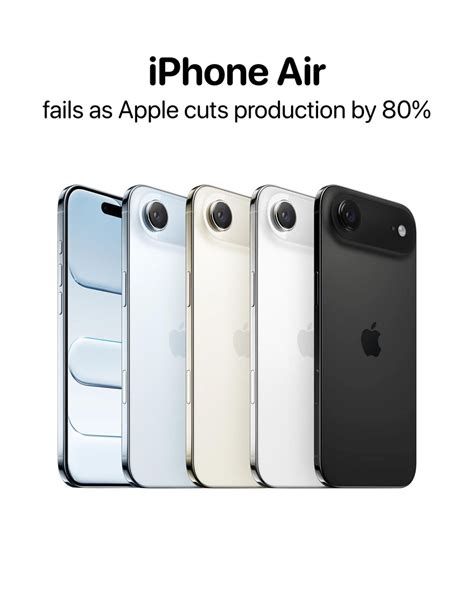
The Galaxy S25 Fe delivered more dramatic images by default — brighter shadows and more aggressive sharpening. I liked its ultra-wide more for landscapes (it felt more expansive) and its night mode produced brighter images in very low light. However, I sometimes had to tone down the vibrance in photos for a more natural look. For video, I found the iPhone Air's stabilization slightly more consistent during handheld shooting, while the S25 Fe offered more flexible settings if I wanted to tweak exposure or frame rates manually.
Software and ecosystem
Using iOS on the iPhone Air felt predictable and integrated with the rest of my Apple gear. I appreciated how my Mac and iPad picked up calls and messages seamlessly. In my experience, ecosystem convenience — AirDrop, continuity features, and iCloud syncing — is a major selling point if you already have other Apple devices.
On the S25 Fe, Android (with Samsung's One UI) offered customization that I ended up enjoying — widgets behaved the way I wanted, and I could set defaults without jumping through hoops. I liked the flexibility to install apps from multiple sources and the quick access to smaller settings. If you prefer to tinker with your phone's behavior, the S25 Fe felt more open and configurable.
Durability and daily-use quirks
I've dropped both phones at least once without a case. The iPhone Air survived with only minor scuffs where it hit the pavement, and the screen glass showed no hairline cracks. The S25 Fe took the fall well too, but the back picked up a small chip near the corner. Both have good water resistance in my experience — I accidentally used one in the rain and it never hiccupped.
One small thing I noticed: face unlock on the S25 Fe can be faster in some lighting, but I relied on the iPhone Air's Face ID more for secure payments and app logins. That said, the fingerprint sensor on the S25 Fe (when used) was handy with masks and gloves, something I missed on the iPhone Air.
Storage, expandability, and accessories
I went with the mid-level storage options for both phones. The iPhone Air forced me to be more mindful of iCloud management, while the S25 Fe's ability to accept expandable storage (depending on region and model) made me less worried about space. In practice, I moved a lot of my photos to cloud storage on both devices. As for accessories, MagSafe cases and wallets for the iPhone Air were convenient. For the S25 Fe, I liked the wide range of third-party cases and docking options that fit my car mount perfectly.
Pros & Cons — iPhone Air
- Pros: Consistently snappy performance; natural color and video rendering; seamless integration with Apple ecosystem; light and comfortable design.
- Cons: Camera bump causes wobble without a case; no expandable storage; slower top-up speed unless you manage charging curve carefully; less customization in software.
Pros & Cons — Samsung Galaxy S25 Fe
- Pros: Punchy display great for HDR content; flexible software and customization; generally better fast-charging behavior; solid ultra-wide and night photography options.
- Cons: Shows fingerprints readily; slightly heavier in the pocket; default image processing can be over-aggressive; build feels less refined than the iPhone Air in hand.
Side-by-side comparison
| Feature | Iphone Air (my notes) | Samsung Galaxy S25 Fe (my notes) |
|---|---|---|
| Display | Natural color, very comfortable for long reading and video sessions | Punchier colors and higher contrast, great for streaming and photos |
| Performance | Smoother in heavy tasks; felt faster when exporting video | Capable for daily tasks and gaming; occasional background app reloads |
| Battery | Reliable all-day battery with conservative charging curve | Marginally better on heavy days; faster top-ups |
| Cameras | Natural tones, consistent portraits and video stabilization | More vibrant photos, better night mode brightness |
| Software & Ecosystem | Tight integration with Apple devices; fewer customization options | Highly customizable; works well with Android ecosystem and Samsung features |
| Durability | Survived drops; premium feel | Robust but shows wear; good water resistance |
| Extras | MagSafe accessories, smooth continuity features | Expandable options (in some models), wider accessory variety |
| Who it's for | Users invested in Apple ecosystem and prioritizing camera/video reliability | Users who want flexibility, value-fast charging, and vivid media consumption |
Buying guide — how to choose based on what matters to you
1. If you value ecosystem and continuity
In my experience, the iPhone Air is the clear pick if you already own a Mac, iPad, or Apple Watch. I've appreciated how seamlessly messages, calls, and files move between devices. If saving time and friction is important, the small conveniences add up and make the iPhone Air worthwhile.
2. If you prioritize display punch and fast charging
Choose the Galaxy S25 Fe if you watch a lot of HDR content, consume social media with lots of video, or need fast top-ups between meetings. I found the S25 Fe's display more immersive for short-form video and its charging behavior helped me avoid anxiety about battery levels on busy days.
3. If camera output matters to you without editing
Go with the iPhone Air if you want consistent colors and photos you can share immediately. In my daily use, I reached for the iPhone Air for portraits and short handheld videos because I trusted the skin tones and stabilization more often than not.
Discover deals on Mobile Phones — updated daily.
See Deals →4. If you like to tweak and customize
The S25 Fe rewards people who like to personalize their phones. I enjoyed rearranging home screens, setting specialized widgets, and toggling subtle camera processing options. If you like to bend your phone's behavior to your workflow, it will feel liberating.
5. Consider storage and future needs
If you take a lot of video or plan to keep your phone several years, think about storage. I had to manage photos and backups on the iPhone Air more actively. The S25 Fe's potential for expandable storage (model dependent) made long-term media storage easier in my experience.
6. Durability and cases
Neither phone is invincible; I recommend a good case for both. I ended up with a slim MagSafe-compatible case for the iPhone Air and a textured TPU case for the S25 Fe to reduce slippage. If you want minimal bulk but good protection, plan on paying a little extra for a quality case.
Price and value — what I think you should know
Both devices sit in the mid-to-upper segment of the market. In my months of use, the iPhone Air felt like a premium, refined package justifying a higher price for users who prioritize system integration and performance. The S25 Fe offered a better value if you weigh display quality, charging convenience, and software flexibility more heavily. I considered trade-ins and seasonal discounts when I bought each — those deals changed the cost equation, so it’s worth watching for promotions if price is a deciding factor.
Final thoughts and my recommendation
After using both phones for several months, here's how I would sum it up: the iPhone Air is the choice when you want a phone that “just works” with minimal fuss, excels at producing share-ready photos and video, and plays nicely with other Apple devices. The Galaxy S25 Fe is the choice when you want a more customizable phone with a livelier display, faster charging, and flexible software that adapts to the way you use it.
For my daily life, I ended up favoring the iPhone Air for its convenience and smoother performance in heavy tasks. I kept the S25 Fe as my travel and media phone because its display and quick charge were perfect for long days away from my desk. If you’re deciding between the two: think about which trade-offs you can live with daily — the ecosystem and refined experience of the iPhone Air, or the flexibility and display-forward experience of the Galaxy S25 Fe.
Conclusion
I've enjoyed both phones and used each as my go-to device multiple times over these months. What I found was that neither phone is strictly "better" across the board — they're simply tailored to different priorities. In my experience, if you want a fast, integrated, and predictable experience, the iPhone Air will deliver. If you want a customizable, display-first phone with quicker charging and more tuning options, the Galaxy S25 Fe is a great alternative. Ultimately, the best phone is the one that fits your daily habits and ecosystem — and after switching between these two, I can confidently say either can be the right choice depending on what matters most to you.